




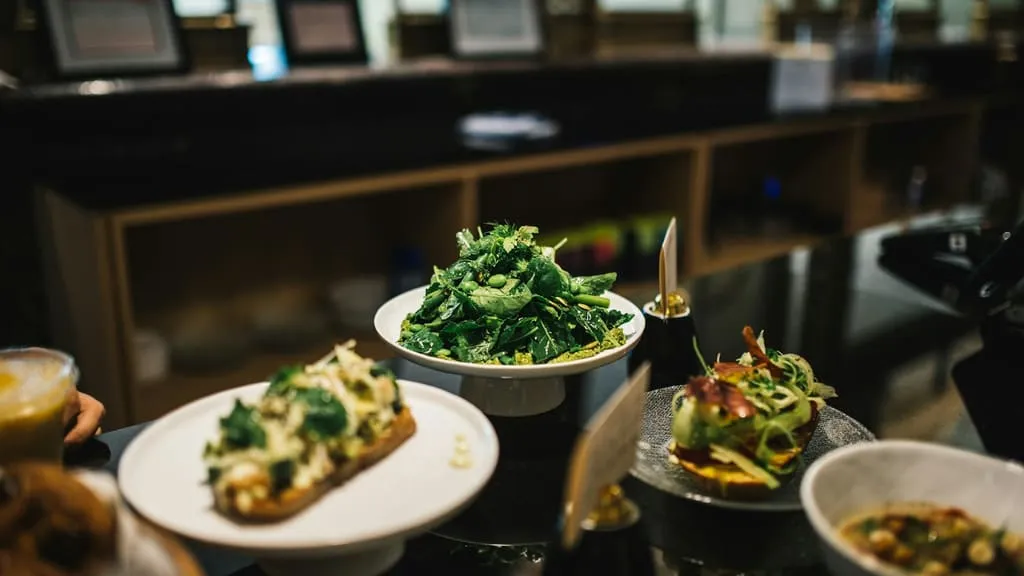
Whether you run a café, restaurant, takeaway, event catering business or food van, the tax rules for food are some of the trickiest in the UK. This guide covers getting set up, VAT on food, profits and expenses, staff and tips, business rates, Making Tax Digital, records and deadlines for the 2026/27 tax year.
Getting set up
Sole trader, partnership or company?
| Sole trader | Partnership | Limited company | |
|---|---|---|---|
| Who pays tax on profits | You: Income Tax and Class 4 NIC | Each partner on their share | The company: Corporation Tax |
| Tax rates 2026/27 | 20% / 40% / 45%, plus NIC at 6% / 2% | Same as a sole trader | 19% to 25%, then tax on the salary or dividends you take |
| Main returns | Self Assessment | Partnership return and each partner’s return | Accounts, CT600 and confirmation statement |
| Personal liability | Unlimited | Unlimited (unless an LLP) | Limited |
| Admin | Lowest | Low | Highest |
Many caterers start as sole traders and move to a limited company as profits grow, or when they take on premises, staff or big event contracts. We can run the numbers for you. Whatever the structure, the VAT, staff and records rules in this guide apply. Our partnership tax guide covers partnerships in more detail.
Registrations before you open
- Local council (food business): register at least 28 days before you start trading. This includes home kitchens, food vans and market stalls.
- HMRC Self Assessment: sole traders and partners register by 5 October after the end of the tax year you started.
- HMRC Corporation Tax: limited companies register within 3 months of starting to trade.
- HMRC VAT: if your taxable turnover goes over £90,000 (see below).
- HMRC PAYE: before the first payday for any staff, including casual and part-time.
- Licences: premises or event licences from the council if you sell alcohol or late-night hot food.
VAT on food and catering
When you must register for VAT
- £90,000: the VAT registration threshold for taxable turnover.
- 12 months rolling: check at the end of every month, not just at your year-end.
- 30 days: register if you expect to go over £90,000 in the next 30 days alone.
- £88,000: you can deregister if turnover falls below this.
What counts towards the £90,000:
- All standard-rated sales (eat-in, hot food and catering)
- Zero-rated sales too (cold takeaway food)
- Delivery app sales, at the price the customer pays
Voluntary registration can make sense if you mainly sell zero-rated cold food and could reclaim VAT on your costs. It rarely makes sense for eat-in or hot food sellers whose customers aren’t VAT-registered.
Registering late is expensive. HMRC wants the VAT you should have charged from the date you should have registered, plus a penalty. If you can’t add VAT to prices already paid, it comes out of your profit.
The golden rule: 20% or 0%?
Most food in shops is zero-rated, but catering is standard-rated. How and where you sell the food decides the rate, not just the food itself.
| What you sell | Includes | VAT |
|---|---|---|
| Food eaten on your premises | Your seating areas, tables and shared seating you control | 20% |
| Catering for events | Weddings, parties, conferences and anything under a catering contract | 20% |
| Hot takeaway food | If it meets any of the five hot food tests below | 20% |
| Hot drinks | Tea, coffee and hot chocolate, eat-in or takeaway | 20% |
| Cold takeaway food | Sandwiches, salads and cold snacks taken away (except the tricky items below) | 0% |
Hot takeaway food: the five tests
Takeaway food is standard-rated if it’s hot (above room temperature) when you hand it over and meets any one of these tests:
- Heated to be eaten hot: your purpose in heating it is that the customer eats it hot.
- Heated to order: cooked or warmed for the customer when they order.
- Kept hot: held under heat lamps, in a hot cabinet or on a spit.
- Hot packaging: given in packaging that keeps it hot, such as foil-lined bags.
- Advertised as hot: marketed or described as hot (“freshly baked” alone doesn’t count).
Giving customers a microwave to heat their own food makes that food standard-rated too, even if you don’t charge for it. A hot item with cold parts, such as a hot filling in a cold roll, is standard-rated as a whole.
Events, premises and deliveries
Event catering is 20%:
- Everything supplied under a catering contract is standard-rated, even cold food.
- This includes weddings, parties, corporate events and conferences.
- Staff, crockery and set-up under the contract are 20% too.
Your premises include any area set aside for customers to eat, such as seating, tables or a shared food court area you control. If you sell cold food both to eat in and to take away, record which is which.
Delivered food:
- Cold sandwich platters delivered without a catering contract can be zero-rated.
- Hot food delivered to customers is hot takeaway, so it’s 20%.
- Food the customer must cook or thaw first isn’t catering.
Write the deal down. Whether a job is “catering” or just “delivering food” changes the VAT, and a clear quote or contract that describes what you’re providing protects you if HMRC asks.
Tricky items and meal deals
Some items are always standard-rated, even when sold cold to take away:
- Crisps and savoury snacks
- Sweets and chocolate
- Ice cream and frozen desserts
- Bottled water and soft drinks
- Alcoholic drinks
- Hot drinks
Meal deals: if items in a deal can also be bought separately, split the deal price fairly between the VAT rates, and keep a note of how you work out the split.
Small free extras: free condiments, salt and pepper or napkins can be ignored. They don’t change the VAT on the main item.
Quick check: 20% or 0%?
Ask these three questions about each item you sell:
- Is the food eaten on your premises, or supplied as part of catering for an event? Your premises include seating areas set aside for your customers. If yes, it’s 20%.
- Is it hot takeaway food or a hot drink? That means hot when handed over and meeting any of the five tests. If yes, it’s 20%.
- Is it crisps, sweets, chocolate, ice cream, a soft drink, bottled water or alcohol? These are standard-rated even when sold cold to take away. If yes, it’s 20%.
If you answered no to all three, it’s 0%: zero-rated cold takeaway food. There’s no VAT to charge, but record it as a zero-rated sale on your VAT return if you’re registered. It still counts towards the £90,000 threshold, and if you also sell the same item to eat in, the eat-in sale is 20%, so keep a record of which is which.
If any answer was yes, it’s 20%: standard-rated. Include VAT in your prices, because menu prices to consumers must show the VAT-inclusive amount. Not VAT-registered yet? These sales still count towards the £90,000 threshold.
Service charges, tips and delivery apps
| What the customer pays | VAT |
|---|---|
| A service charge you add to the bill | 20% (standard-rated) |
| A genuinely voluntary tip, on top of the bill | No VAT |
Staff tax and NIC on tips is covered in tips and service charges: staff tax below.
Delivery apps (Deliveroo, Uber Eats, Just Eat):
- You usually sell the food to the customer, so VAT is due on the full price the customer pays, not the payout you receive.
- The platform’s commission is a business expense. Reclaim the VAT on it if you’re VAT-registered.
- Reconcile app statements to your bank every month.
Many online platforms, including food delivery apps, now report sellers’ income to HMRC. Make sure every app sale is in your records.
VAT schemes that can help
| Scheme | How it works | Good for |
|---|---|---|
| Flat Rate Scheme | Pay a fixed % of your VAT-inclusive turnover: 12.5% for catering, restaurants and takeaways (1% less in your first year of VAT registration), or 16.5% if you’re a “limited cost business”. You can’t usually reclaim VAT on purchases. | Businesses that mostly sell standard-rated food and buy little with VAT on it |
| Cash Accounting | Pay VAT when your customers pay you, not when you invoice. Reclaim VAT on costs when you pay them. | Event caterers with slow-paying clients |
| Annual Accounting | One VAT return a year, paid in instalments through the year | Seasonal businesses wanting smoother cash flow |
If a lot of your sales are zero-rated cold takeaway, the Flat Rate Scheme can cost you more. We’ll compare the options for you.
Profits and expenses
How your profits are taxed (2026/27)
Sole traders and partners:
| Taxable profit | Income Tax | Class 4 NIC |
|---|---|---|
| Up to £12,570 | 0% | 0% |
| £12,571 to £50,270 | 20% | 6% |
| £50,271 to £125,140 | 40% | 2% |
| Over £125,140 | 45% | 2% |
These are the rates for England, Wales and Northern Ireland. Scotland has different Income Tax bands, and the personal allowance falls above £100,000 of income.
Limited companies:
| Taxable profit | Corporation Tax |
|---|---|
| Up to £50,000 | 19% |
| £50,001 to £250,000 | 25% less marginal relief |
| Over £250,000 | 25% |
Directors then pay personal tax on the salary and dividends they take.
Put money aside as you go: around 20% to 25% of profit for a sole trader, and a separate savings account for VAT and Corporation Tax.
Allowable expenses for caterers
| Usually allowable | Not allowable |
|---|---|
| Food and drink stock, ingredients and packaging | Your own meals at work (you eat during your normal working day) |
| Gas, electricity and water for the kitchen | Entertaining clients or suppliers |
| Rent, business rates and insurance | Everyday clothing, even if worn at work |
| Pitch fees, market fees and event site fees | The private share of phone, car or home costs |
| Food hygiene training and certificates | Fines, such as parking or food safety penalties |
| Protective clothing and uniforms with your logo | Equipment and vans: claimed as capital allowances instead (see below) |
| Delivery app commission and card fees | |
| Cleaning, waste collection and pest control | |
| Accountancy and bank charges |
Working from home or a home kitchen? You can claim a share of household running costs, or use HMRC’s flat-rate amounts.
Kitchen equipment, vans and cars
Kitchen equipment: ovens, fryers, fridges, coffee machines, tills and fit-out costs qualify for the Annual Investment Allowance: 100% tax relief in the year you buy, up to £1 million a year.
Vans and food trucks:
- Qualify for the Annual Investment Allowance, like equipment.
- Fuel, insurance, repairs and pitch fees are expenses.
- Reduce claims for any private use.
Cars:
- Not eligible for the Annual Investment Allowance. They’re claimed over several years, depending on CO2 emissions.
- Sole traders can use 45p a mile (for the first 10,000 business miles) instead of actual costs.
Once a sole trader claims actual costs and capital allowances on a car, they can’t switch that car to the mileage rate later. Decide carefully in the first year.
Stock, waste and own-use food
Count your stock:
- Count food, drink and packaging on hand at your year-end.
- Closing stock reduces your costs for the year.
- Value it at the lower of cost and what it can be sold for.
Waste is a cost: spoiled or thrown-away food is part of your cost of sales. Keep a simple waste log, because it supports your figures if HMRC asks why your margins are low.
Food taken for yourself: food and drink you or your family take for personal use isn’t a business cost, so add its value back in your accounts. Free food to friends is the same.
HMRC compares catering businesses’ profit margins with similar businesses. Unusually low margins are a common reason for enquiries, so accurate stock, waste and own-use records matter.
Staff, wages and tips
Employing staff
- 15%: employer NIC on pay above £5,000 a year per employee.
- £10,500: the Employment Allowance reduces your employer NIC bill each year, if you’re eligible.
- Before payday: send payroll (RTI) to HMRC on or before each payday.
- 22nd: pay PAYE to HMRC by the 22nd of the following month (electronic payment).
Right to work checks: carry them out before anyone starts, including casual event staff, and keep copies. Fines for illegal working are severe.
Workplace pension: auto-enrol eligible staff, and assess them every pay period, as hours in catering often vary.
Holiday pay: for irregular-hours and part-year staff, holiday can be worked out at 12.07% of hours worked. Keep accurate timesheets.
Our payroll essentials guide covers PAYE, NIC and pensions in full.
Minimum wage and staff meals
| Age or type | Hourly rate from 1 April 2026 |
|---|---|
| 21 and over (National Living Wage) | £12.71 |
| 18 to 20 | £10.85 |
| 16 to 17 | £8.00 |
| Apprentice | £8.00 |
| Accommodation offset (per day) | £11.10 |
Common catering pitfalls:
- Meals and tips don’t count towards minimum wage.
- Deductions for uniforms, breakages or till shortages can’t take pay below the minimum.
- Pay for all working time, including set-up, clean-down and training.
Staff meals: free or subsidised meals on your premises are generally tax-free for staff if they’re available to all your employees. Meal vouchers or cash allowances are taxable.
Casual, event and freelance staff
Casual and event staff:
- They’re usually employees, so put them through payroll, even for one shift.
- Carry out right to work checks every time.
- Paying cash “off the books” risks tax, NIC, penalties and minimum wage claims.
Freelance chefs and helpers:
- They’re only self-employed if they genuinely run their own business: they choose how to work, use their own equipment, can send a substitute and work for others.
- Use HMRC’s employment status tool and keep the result.
- For agency staff, the agency runs payroll.
If HMRC decides a “freelancer” was really your employee, you can be charged the PAYE and NIC you should have deducted, plus interest and penalties.
Tips and service charges: staff tax
| How tips are paid | Income Tax | National Insurance |
|---|---|---|
| Cash tips given straight to staff | Yes: staff tell HMRC (usually collected through their tax code) | No |
| Tips paid through your payroll | Yes, through PAYE | Yes, usually |
| Tronc run independently by a troncmaster | Yes, through PAYE | No |
| Mandatory service charge shared with staff | Yes, through PAYE | Always due |
The law since 1 October 2024:
- Pass on all tips: all tips, gratuities and service charges must go to workers, without deductions.
- Share them fairly: follow the statutory code of practice on fair and transparent distribution.
- Have a written policy: tell staff how tips are shared and keep records.
Premises and digital tax
Business rates in 2026/27 (England)
From 1 April 2026 the 40% retail, hospitality and leisure relief ended. Instead, cafés, restaurants and similar premises pay on permanently lower multipliers.
| Rateable value | Retail, hospitality and leisure | Other businesses |
|---|---|---|
| Below £51,000 | 38.2p | 43.2p |
| £51,000 to £499,999 | 43p | 48p |
| £500,000 and above | 50.8p | 50.8p |
Pence charged per £1 of rateable value.
Small business rate relief:
- 100% relief if your only property’s rateable value is £12,000 or less.
- Tapering relief up to £15,000.
- Transitional relief limits big jumps after the 2026 revaluation.
Check your new 2026 rateable value and bill. Apply to your council for any relief you’re due, and challenge the valuation if it looks wrong. Food vans and market stalls usually pay pitch fees instead.
Making Tax Digital
MTD for VAT applies now: all VAT-registered businesses keep digital records and file VAT returns through compatible software, usually quarterly, due 1 month and 7 days after each quarter.
MTD for Income Tax applies to sole traders and landlords with qualifying income:
- Over £50,000: from April 2026
- Over £30,000: from April 2027
- Over £20,000: from April 2028
Quarterly updates for Income Tax are due by 7 August, 7 November, 7 February and 7 May.
Qualifying income is your turnover (before expenses) from self-employment and property. Partnerships aren’t in MTD for Income Tax yet, and limited companies aren’t affected. Read our complete guide to Making Tax Digital for how it works.
Records and deadlines
Cash, card and app records
Catering is a cash-heavy sector, so HMRC looks closely at how takings are recorded.
Every day:
- Record all takings: cash, card, app and events.
- Keep till Z-reports or EPOS daily summaries.
- Bank cash regularly and keep a cash book.
Every purchase:
- Keep supplier invoices and receipts (VAT invoices if you’re registered).
- Separate business and personal spending.
- Use a business bank account.
Card and app data: HMRC can get data from card payment providers, and many platforms report sellers’ income to HMRC, so your declared sales must match.
Keep records for at least 5 years after the 31 January filing deadline (sole traders and partnerships), or 6 years (companies). Software that hides or deletes till sales is illegal.
Key dates for catering businesses
| When | What | Who |
|---|---|---|
| Each payday | Payroll submission (RTI) to HMRC | Employers |
| 22nd of each month | Pay PAYE and NIC to HMRC (electronic) | Employers |
| 1 month and 7 days after each VAT quarter | VAT return and payment | VAT-registered businesses |
| 31 January | Self Assessment return and tax, plus the first payment on account | Sole traders, partners and directors |
| 31 July | Second payment on account | Sole traders and partners |
| 9 months and 1 day after year-end | Corporation Tax payment | Companies |
| 9 months after year-end | Accounts to Companies House | Companies |
| 12 months after year-end | Company Tax Return (CT600) | Companies |
We send all our clients reminders for their dates, so nothing is missed.
10 common mistakes we see
- Charging 0% VAT on hot takeaway food
- Forgetting VAT on service charges
- Missing the £90,000 VAT threshold
- Not recording all cash and app sales
- Paying casual staff in cash, off payroll
- Deducting uniforms or breakages below minimum wage
- Claiming your own meals as expenses
- Treating “freelancers” who are really employees as self-employed
- Not counting stock or keeping waste records
- Missing business rates relief
How Apex Global can help
You run the kitchen, we’ll handle the tax:
- VAT: registration, choosing a scheme, getting your 20% / 0% split right and MTD VAT returns.
- Accounts and tax returns: Self Assessment, partnership and company accounts, and CT600s.
- Payroll: PAYE, casual staff, tips and troncs, and pensions.
- Bookkeeping: till, card and app reconciliations every month.
- Tax planning: structure reviews, equipment timing and director pay.
- Deadline reminders: we track every date so nothing is missed.
See our tax services and bookkeeping services, or get in touch for a free, no-obligation chat.